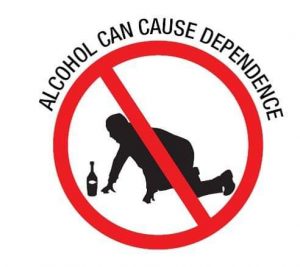
The Psychology of Gambling Addiction
The allure of casino games is deeply rooted in psychological factors that hook players, often leading to addiction. At the core of this addiction is the release of dopamine, a chemical that creates feelings of pleasure and satisfaction. When players win, even small amounts, their brains receive a surge of dopamine, reinforcing the behavior and creating a desire to play more, especially when they try the best online pokies australia real money options available. This cycle of reinforcement can lead individuals to chase that high, often disregarding the financial and emotional consequences. The thrill of the game, combined with the hormonal response, creates a powerful loop that is difficult to escape.
Another significant psychological component is the phenomenon known as intermittent reinforcement. Unlike consistent rewards, which can dull excitement, intermittent rewards—like occasional wins in gambling—heighten anticipation and increase cravings. This unpredictability keeps players engaged, as they become fixated on the potential for a big win. This mechanism is not only utilized in casino games but also encapsulated in various gaming platforms, further attracting players to the gambling realm. Over time, this behavior can escalate, leading individuals to invest more time and money in pursuit of that elusive jackpot.
Furthermore, personal factors such as stress, boredom, and the desire for social interaction can exacerbate the potential for gambling addiction. Casinos often create an environment that encourages prolonged play, with no clocks and a medley of stimulating sounds. Individuals seeking an escape from their everyday lives may find solace in the high-energy environment of a casino, leading them to gamble more frequently as a form of escapism and temporary relief from their problems. This escape can develop into a habitual coping mechanism, making it increasingly hard for individuals to break free from the cycle of addiction.
The Role of Environment in Gambling Addiction
The environment surrounding casino games significantly contributes to the likelihood of gambling addiction. Many casinos are designed to be immersive experiences, offering bright lights, upbeat music, and the smell of free drinks, all aimed at keeping players on the gaming floor. This enticing atmosphere can create a sense of euphoria, making it difficult for individuals to leave or even recognize how much time they are spending there. It fosters a sense of urgency, making it easy to lose track of both time and money. The sensory overload can be intoxicating, further solidifying the need to stay and play.
Moreover, the availability of games and promotional incentives plays a crucial role. Many casinos employ strategies such as loyalty programs and bonuses that reward players for continued play, further enticing them to invest more time and money. This focus on rewards can lead individuals to believe that they have a chance to win big, reinforcing their attachment to the games. The more players feel they are close to a win, the harder it becomes to walk away. This sense of being “on the verge” creates a psychological trap that can be hard to escape.

Additionally, social influences within the casino environment can further enhance the risk of addiction. Many casinos are bustling with excitement and camaraderie, creating a social fabric that encourages communal engagement in gambling. Players often witness others winning, which can elevate their desire to participate. This social proof can foster a collective mindset that normalizes and even glorifies gambling, masking the risks involved and contributing to an addictive cycle. The communal atmosphere can also lead to peer pressure, as friends and acquaintances encourage one another to continue playing, further entrenching individuals in their gambling habits.
The Impact of Technology on Gambling Habits
The rise of technology has had a profound impact on how individuals engage with gambling, significantly increasing the potential for addiction. Online casinos and mobile gaming platforms bring the casino experience directly into players’ homes, making it easily accessible and often available 24/7. The convenience of playing from anywhere at any time means that individuals can engage in gambling behaviors without the traditional barriers of travel and time constraints, which can exacerbate addictive tendencies. This accessibility can lead to impulsive gambling, as players may log in and start playing without much thought.
Moreover, technology enables a variety of formats that can be highly engaging. With the introduction of interactive elements, live dealers, and gamification features, online gaming platforms can create a layered, immersive experience that appeals to a wider audience. These features are designed to keep players engaged for extended periods, further increasing their chances of developing addictive tendencies as they seek the next thrill. The continuous evolution of technology means that new and exciting ways to gamble are always at players’ fingertips, making it harder to resist the lure of the next game.
Social media integration in online gaming platforms can also contribute to gambling addiction. Players can share their achievements and wins, receiving instant gratification from friends and followers. This public acknowledgment can further validate gambling behaviors, encouraging individuals to play more frequently in pursuit of social recognition. As technology continues to evolve, the potential for addiction remains a pressing concern as it becomes easier for individuals to gamble without the constraints once experienced in physical casinos. This interconnectedness can create a feedback loop that amplifies gambling behaviors, making it even more challenging to break free from the cycle of addiction.
Preventing Gambling Addiction
Preventing gambling addiction is crucial for both individuals and communities, as it can drastically improve overall well-being and financial stability. Awareness and education about the risks of gambling can play a pivotal role in prevention. Organizations often provide resources and support systems for those who recognize their gambling habits may be becoming problematic. By fostering open discussions about gambling and its consequences, communities can work together to create a culture that values responsible gaming. This communal effort can help individuals feel supported in their journey to maintain healthy gaming habits.

Additionally, self-exclusion programs are increasingly being made available to individuals who want to take a break from gambling. These programs allow players to voluntarily exclude themselves from gaming venues and online platforms for a specified time period. By taking this proactive step, individuals can take control of their gambling behaviors and seek the support they need, which is essential in breaking the cycle of addiction and promoting healthier choices. Such measures can provide a crucial pause, allowing individuals to reflect on their gambling habits and make necessary changes.
Incorporating responsible gaming features into casino operations is also vital. Many casinos are implementing strategies that encourage players to set limits on their spending and playing time. These measures can help create an environment where players are aware of their habits and can make informed decisions about their gambling activities. By fostering a culture of responsibility, the risks associated with gaming can be reduced, nurturing a safer and healthier environment for all players. Ultimately, a combination of personal accountability and institutional support is essential to combat gambling addiction.
Resources and Support for Gamblers
There are numerous resources available for individuals struggling with gambling addiction, providing essential support and guidance. Many organizations and hotlines offer confidential assistance, allowing individuals to seek help without stigma. These professional services can offer counseling and therapeutic interventions specifically tailored to address gambling-related issues, empowering individuals to regain control over their lives. Such resources can be a lifeline for those feeling overwhelmed by their gambling habits.
Additionally, support groups, such as Gamblers Anonymous, provide community-based recovery and accountability through shared experiences. These groups create safe spaces for individuals to discuss their struggles, gain insights, and learn coping strategies from others facing similar challenges. Building connections with others who understand their situation can foster a sense of belonging and aid in recovery efforts. The support found in these communities can be instrumental in helping individuals navigate the road to recovery.
Furthermore, educational resources can help provide individuals and families with information about gambling addiction, its signs, and its effects. By increasing awareness and understanding, these resources are crucial in dismantling the stigma surrounding gambling addiction, encouraging those affected to come forward and seek the help they need. Together, these resources create a comprehensive support network dedicated to combating the challenges of gambling addiction. This network is vital for fostering a healthier relationship with gambling within society.