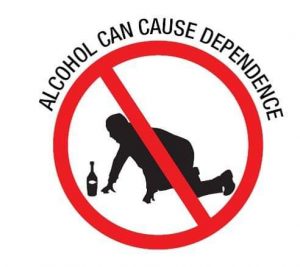
The psychological impacts of gambling navigating the mind's traps and triumphs
The Allure of Gambling and Its Psychological Appeal
The world of gambling captivates millions globally, largely due to its inherent psychological appeal. The thrill of risk and potential reward stimulates the brain’s pleasure centers, leading to dopamine release, which creates feelings of excitement and satisfaction. This rush can be addictive, as players often seek to recreate that exhilarating experience, resulting in a cycle of continuous play. The brain’s tendency to favor short-term rewards over long-term consequences drives many into the gambling trap, making it difficult to break free from the cycle. For more information, visit https://online-payid-pokies-australia.com, an advanced guide to online gaming.

Moreover, the environment of casinos and online gambling platforms is designed to enhance this allure. Bright lights, enticing sounds, and a vibrant atmosphere contribute to an immersive experience that can overwhelm a player’s judgment. Gamblers often perceive these features as indicators of luck or success, reinforcing the desire to play. This cognitive bias can lead individuals to dismiss the negative outcomes while focusing on their sporadic victories, further entrenching them in their gambling behaviors.
Additionally, the psychological impact of gambling can be profound, extending beyond the individual to affect families and communities. Many gamblers may struggle with feelings of shame and denial, exacerbating mental health issues such as anxiety and depression. The pressure to maintain appearances can lead to isolation, where gamblers withdraw from loved ones, resulting in strained relationships and diminished support systems. Understanding these psychological dynamics is essential for addressing the complexities of gambling behavior.
The Mind’s Traps: Cognitive Distortions in Gambling
Cognitive distortions are prevalent in gambling, with individuals often falling prey to misconceptions that skew their perception of reality. One common distortion is the illusion of control, where gamblers believe they can influence the outcome of games based on their skills or strategies. This belief can perpetuate the cycle of gambling, as individuals continue to engage in play, convinced that they possess an edge. Recognizing this distortion is crucial for helping gamblers understand the random nature of chance-based games.
Another significant trap is the gambler’s fallacy, where individuals believe that past outcomes affect future results. For example, if a player experiences a string of losses, they may feel that a win is “due,” leading them to gamble more. This flawed reasoning often keeps gamblers engaged, despite the lack of any real correlation between past and future results. Such misunderstandings can lead to reckless financial decisions, exacerbating the psychological toll of gambling addiction.
Furthermore, many gamblers exhibit a phenomenon known as “chasing losses.” This behavior occurs when individuals attempt to recover lost money by continuing to gamble, often leading to even greater losses. This trap can create a sense of desperation, driving individuals to gamble larger amounts in hopes of a big win that may never come. Addressing these cognitive distortions is vital for developing effective strategies for responsible gambling and fostering a healthier mindset.
The Triumphs of Gambling: The Positive Aspects
Despite the potential for negative impacts, there are aspects of gambling that can serve as a source of triumph and empowerment for some individuals. For instance, when approached responsibly, gambling can offer a form of entertainment and social interaction. Many people enjoy the camaraderie found in group settings, whether in physical casinos or online gaming platforms, where shared experiences foster connections and friendships. This social aspect can enhance personal relationships and provide a communal sense of belonging.
Additionally, some individuals find that gambling can serve as a therapeutic outlet. The thrill of placing bets can be a welcome distraction from the stresses of everyday life, providing a temporary escape. This release can enable individuals to cope with anxiety or depression in the short term. When individuals engage in gambling as a form of entertainment rather than an addiction, it can positively impact their mental well-being.
Furthermore, responsible gambling initiatives have emerged to promote healthy gaming practices, offering resources and support for those in need. These programs emphasize the importance of setting limits, recognizing when to stop, and understanding the risks involved. By fostering a culture of responsible gambling, individuals can enjoy the positive aspects while minimizing potential harms, leading to a healthier relationship with gaming.
The Role of Support and Treatment in Gambling Addiction
Support systems play a critical role in addressing the psychological impacts of gambling addiction. Many individuals suffering from gambling disorders often feel isolated and ashamed, making it imperative for friends and family members to understand the dynamics of this addiction. Open conversations about gambling can help reduce stigma and encourage affected individuals to seek help. Support from loved ones can significantly impact recovery outcomes, as it fosters a sense of connection and belonging.
Therapy and counseling also play a vital role in treating gambling addiction. Cognitive-behavioral therapy (CBT) is particularly effective in addressing the cognitive distortions associated with gambling behaviors. Through CBT, individuals can learn to challenge harmful thought patterns and develop healthier coping mechanisms. Support groups, such as Gamblers Anonymous, also provide valuable resources for those looking to connect with others who share similar experiences and struggles.
Moreover, it is essential for individuals to develop a strong self-awareness of their gambling behaviors and triggers. Engaging in self-reflection can help individuals identify patterns and understand the underlying psychological factors that drive their gambling. Through education and therapeutic interventions, individuals can take proactive steps towards recovery, empowering them to reclaim control over their lives.

Understanding Responsible Gambling: The Future of Gaming
In light of the complex psychological impacts of gambling, understanding responsible gaming practices is crucial for both players and the gaming industry. Online platforms and physical casinos are increasingly focusing on promoting responsible gambling by offering tools and resources to help players set limits and understand their gambling behaviors. Features such as self-exclusion options and financial tracking tools are becoming standard practices, highlighting a shift towards prioritizing player well-being.
Moreover, educational campaigns surrounding responsible gambling are gaining traction, aiming to raise awareness about the risks associated with gambling. These initiatives emphasize the importance of recognizing signs of problem gambling, encouraging individuals to seek help early. By prioritizing education and support, the gaming industry can foster a healthier environment for players, ensuring that gambling remains an enjoyable form of entertainment rather than a destructive addiction.
Finally, as technology continues to evolve, the gaming industry is positioned to embrace new innovations that promote responsible gambling. Advanced algorithms and artificial intelligence can identify problematic gambling patterns in real-time, enabling platforms to intervene proactively. By harnessing these technological advancements, the industry can create a safer gaming landscape and help mitigate the psychological impacts of gambling on individuals and communities alike.