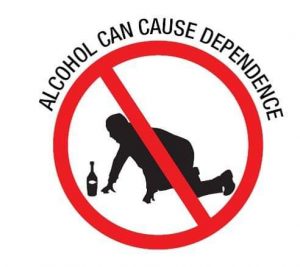
The financial consequences of gambling understanding the risks and rewards
The Financial Risks of Gambling
Gambling can be a thrilling activity, but it comes with significant financial risks that can lead to severe consequences. The most immediate risk is the potential to lose money quickly. Many individuals underestimate how fast their bankroll can dwindle, especially in games with a house edge. For instance, in games like slot machines or roulette, the odds are often stacked against the player, leading to rapid losses that can deplete savings. To get started, one reliable option is to explore 1xbet registration, which provides a straightforward way to begin your journey.

Additionally, gambling can create a cycle of financial stress and emotional turmoil. When losses accumulate, players may chase their losses by betting larger amounts, hoping to recoup what they’ve lost. This behavior can quickly spiral out of control, leading to financial ruin. Individuals may resort to borrowing money or using credit to fund their gambling habits, which can create a debilitating cycle of debt.
Long-term financial consequences can also manifest as lost opportunities. Individuals who spend excessive amounts of money on gambling often forfeit savings that could have been invested in education, home purchases, or retirement plans. Over time, these missed opportunities can lead to decreased financial stability and increased regret, highlighting the need for responsible gambling practices.
The Potential Rewards of Gambling
Despite the risks, there are potential rewards that can make gambling appealing. For some, the thrill of winning can provide a significant financial boost. Winning large sums of money, whether through poker tournaments or progressive jackpots, can transform someone’s financial situation. Many successful gamblers employ strategies that allow them to minimize risks while maximizing their chances of winning. These strategies are particularly relevant when considering the best casinos in the world.
Moreover, for many players, gambling is more than just financial gain; it is a source of entertainment. The excitement of playing in a casino or participating in sports betting can be exhilarating. The social aspect of gambling, such as playing poker with friends or engaging in community sports betting, can also provide significant emotional rewards that contribute to a person’s overall happiness.
However, it’s crucial to recognize that these rewards can be fleeting. Many individuals may experience occasional wins but still end up losing more in the long run. Therefore, while the allure of potential financial rewards exists, it should always be weighed against the risks involved and approached with caution.
Understanding Compulsive Gambling
Compulsive gambling, or gambling addiction, is a serious issue that affects many individuals. It often starts with casual gambling but can escalate into a compulsion that takes over a person’s life. Understanding this condition is essential for recognizing the financial consequences it can impose. Those who gamble compulsively may not only lose money but also experience devastating impacts on their personal relationships, careers, and overall mental health.
The financial consequences of compulsive gambling can be severe. Many individuals may find themselves in crippling debt, unable to pay bills or support their families. They may also engage in illegal activities, such as theft or fraud, to fund their gambling habits. This not only leads to financial loss but can also result in legal repercussions that further complicate their situation.
Awareness and education about the signs of gambling addiction are vital for prevention. If individuals can recognize the symptoms, they can seek help before their financial situation deteriorates. Support groups, therapy, and counseling can provide avenues for recovery, allowing individuals to regain control over their gambling habits and financial stability.
Strategies for Responsible Gambling
Engaging in responsible gambling can mitigate the financial risks associated with this activity. Setting a budget before gambling is one of the most effective strategies. Players should determine how much they can afford to lose without affecting their financial obligations and stick to that budget, regardless of wins or losses. This self-imposed limit can help prevent the temptation to chase losses.
Another critical strategy is to take regular breaks. Gambling continuously can cloud judgment and lead to impulsive decisions. Setting time limits can ensure that players engage with gambling in a controlled manner, allowing them to enjoy the thrill without sacrificing financial responsibility. Additionally, players should avoid consuming alcohol or drugs while gambling, as these substances can impair judgment and lead to poor financial decisions.
Finally, understanding the odds of different games is crucial for responsible gambling. Players should familiarize themselves with the rules and odds of the games they choose to play. By recognizing which games offer better odds, individuals can make informed choices that align with their financial goals. This knowledge can help them enjoy the experience while keeping the potential financial consequences in check.

About Our Website
Our website is dedicated to providing comprehensive information and resources for individuals interested in gambling, whether for entertainment or potential financial rewards. We aim to empower players with knowledge about the risks and rewards associated with gambling, encouraging responsible play. Our content covers everything from strategies for managing your bankroll to insights into the psychological aspects of gambling.
Additionally, we offer tips and guidelines on how to identify problematic gambling behavior and seek help when necessary. Our goal is to create an informed community that understands both the thrill and the challenges of gambling. Through educational resources and supportive content, we strive to promote a healthier approach to gambling activities.